
How Much Does a New AC and Furnace Cost in Central Iowa?
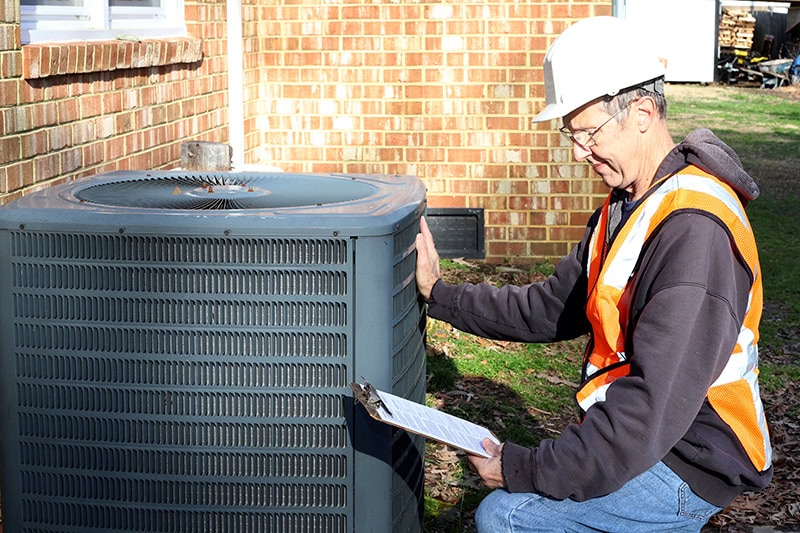
A new air conditioner in central Iowa runs $5,000–$15,000 installed. A new furnace runs $5,000–$11,000 installed. Replace both at the same time and the combined range is $7,000–$25,000 — the labor overlap makes doing it together more efficient than doing each separately. Those are real numbers from real jobs we’re quoting across central Iowa right now, in April 2026. Equipment and material costs have continued to move with broader inflation, and any price is only reliably valid for about 30 days from when it’s quoted. If you’re planning a replacement, sooner is almost always cheaper than later.
Here’s what drives where you land in that range — and how to know what you actually need.
Why Replacing Both at the Same Time Usually Makes Sense
An air conditioner and a gas furnace share the same indoor equipment — blower motor, air handler, filter cabinet, and duct connections. If one system is 15 years old, the other almost certainly is too. Replacing them together saves on labor, protects the manufacturer warranty (most require matched systems for full coverage), and means you’re not dealing with another emergency call in two or three years when the second unit follows the first one out.
If your equipment is under 10 years old and in good working order, a repair may still be the right call. Past that window, the math usually favors doing it once and doing it right.
What Drives the Cost
Equipment Tier
This is the single biggest variable in where your project lands.
- Standard single-stage systems (90%-96% AFUE furnace / 14–16 SEER2 AC): The lower end of the installed ranges. These do the job, but without any optimization for Iowa’s summer humidity or the wide temperature swings we see from March through October.
- Mid-range multi-stage systems (96% AFUE furnace / 17–19 SEER2 AC): Middle of the range. Better efficiency, meaningfully better humidity control, quieter operation. A sensible fit for many central Iowa homes.
- Premium variable-speed systems (96%+ AFUE modulating furnace / 20+ SEER2 variable-speed AC): The upper end of the range. These systems modulate output in real time rather than cycling full blast on and off. The result is more consistent temperatures room to room, dramatically lower indoor humidity during Iowa’s July and August, and lower utility costs over time on MidAmerican or Alliant Energy rates.
The efficiency gap between tiers is real and measurable across a 15–20 year system life. The upfront premium is also real. We’ll show you both sides of that math when we build your quote.
Ductwork Condition
New equipment installed into old, undersized, or leaking ductwork won’t perform to spec — and the warranty won’t protect you from that outcome. This is the most consistently mishandled part of residential HVAC replacement, and it’s why some homeowners end up with a “new system” that still can’t keep the house comfortable.
In central Iowa homes built before the 1990s, we regularly find ductwork sized for equipment two generations removed. If your ducts need modification, repair, or partial replacement, that’s a separate line item on the project — and it should be identified before installation, not discovered after.
Code Requirements and Accessories
Depending on the age of your existing system and when your home was last permitted for HVAC work, code updates may be required as part of the installation — things like updated flue venting, condensate line routing, or electrical service to the equipment. These aren’t add-ons we choose to include; they’re conditions of a legal, permitted installation.
Beyond code: quality installations include a properly sized media filter cabinet, UV-C germicidal protection over the indoor coil, and a system commissioning process that verifies airflow, refrigerant charge, gas pressure, and electrical performance after installation. These are built-in protections for long-term reliability, not line items to negotiate away.
A Real Example From a Central Iowa Home
One North Ames homeowner, Jenna, reached the point many homeowners eventually face: her 17-year-old furnace was still running, but it was no longer keeping the house comfortable the way it should. Because the system had a history of repeat problems, the issue was no longer just whether it could be repaired one more time. The bigger question was whether it still made sense to keep investing in a system that was becoming less reliable with each passing season.
To help her make an informed decision, we prepared 9 customized options across repair, replacement, and indoor air quality add-ons she was interested in. Her choices ranged from about $640 for a control-board replacement to about $19,500 for a higher-end full-system replacement. After letting the decision sit for a while, the furnace began struggling again as winter continued, and the indoor temperature started dropping. Jenna ultimately chose a combination of premium AC and upper-mid-tier furnace, then customized it with a humidifier and air purifier. That is why homeowners see such a wide range in new AC and furnace cost in Central Iowa: the final price depends on the equipment level, comfort features, air quality upgrades, and how complete the overall solution needs to be.
Repair vs. Replace
- System under 10 years old: Repair almost always makes sense. You have significant useful life remaining if the underlying problem is addressed – assuming the system was properly installed and maintained.
- System 10–15 years old: Compare repair cost against 10% of replacement cost. For example, a $600 repair on a system with a $6,000 replacement cost is right at the threshold — factor in efficiency gains and reliability risk before deciding.
- System over 15 years old: Run the efficiency math. A new 16–18 SEER system can reduce cooling costs by 20–40% compared to an older 10–12 SEER unit. The payback period is often shorter than homeowners expect, especially with current utility rates.
A Note on Pricing in 2026
Equipment costs, refrigerant pricing, and material costs have all continued to move upward through early 2026, and market conditions this summer are expected to maintain that pressure. Any quote we provide reflects current pricing and is valid for 30 days. Projects priced in April will almost certainly cost more later in the year — and that’s before seasonal demand adds pressure on scheduling.
If you’re weighing the decision, the window to lock in current pricing is real.
FAQ
How long will a new system last?
A properly installed and maintained system in Iowa should last 15–20 years. Maintenance is the biggest longevity factor that you actually have control over — systems with consistent annual tune-ups regularly reach the top of that range. Variable-speed systems tend to last longer because they cycle less aggressively.
Can I replace just the AC or just the furnace?
Yes. If one system is significantly newer and still under warranty, replacing only the failed unit can make sense. Mismatched equipment can create performance and warranty issues in some configurations — we’ll tell you honestly what applies to your setup.
Are there rebates available?
MidAmerican Energy and Alliant Energy both offer rebates on qualifying high-efficiency systems. We identify applicable incentives when we build the quote — they don’t change the 30-day validity window, but they do affect your net cost.
What does commissioning mean and why does it matter?
Commissioning is the post-installation process of measuring and verifying system performance — airflow, refrigerant levels, gas pressure, electrical output — under actual operating conditions. Installed is not the same as optimized. We complete a detailed commissioning checklist on every installation, and we return for two seasonal quality-assurance visits in the first year to confirm performance under real heating and cooling loads.
Why is the price range so wide?
Because homes are different, equipment tiers vary significantly in capability and cost, and what a complete installation requires isn’t the same in every house. The $7,000–$25,000 range for a combined AC and furnace replacement reflects real jobs, not a number engineered to get a foot in the door.
What to Do Next
If your system is aging or failing, the next step is an evaluation — not a commitment. We’ll look at the equipment, the ductwork, and what a proper installation actually requires in your home, and give you a clear set of options.
We serve central Iowa area and can typically schedule quickly. Current pricing is valid for 30 days from the date of your quote. If you’re ready to understand your options, give us a call.
C&K Heating, Cooling, Plumbing & Gutters 2312 Edison St, Ames, IA 50010 📞 515-233-1174 🌐 callcandk.com Serving central Iowa since 1968.
Need HVAC Service?
Contact the experts at C and K.
Call us at (515) 310-1174!